


Home Main
German automotive parts
MAINLY APPLICABLE TO CAR BRAND SERIES
Product range covers the full range


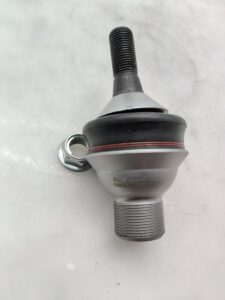
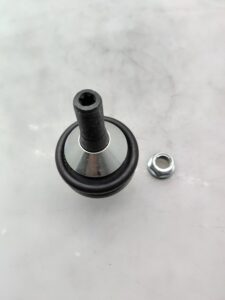
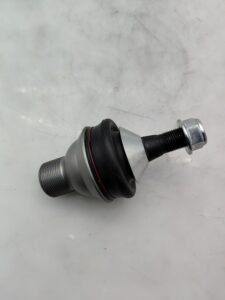

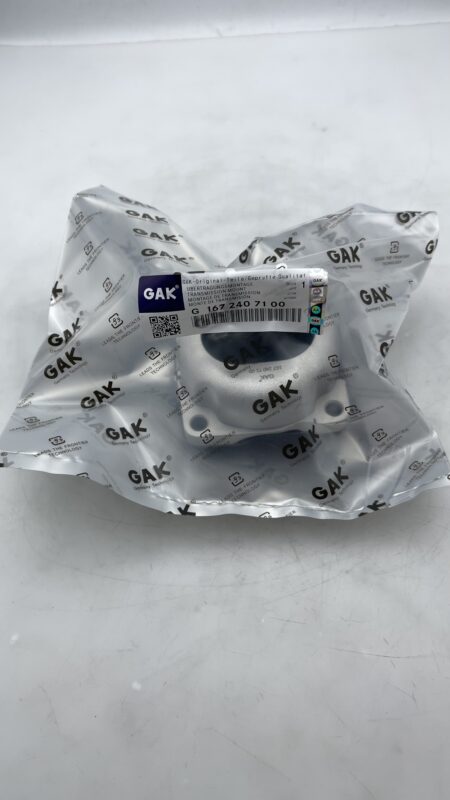
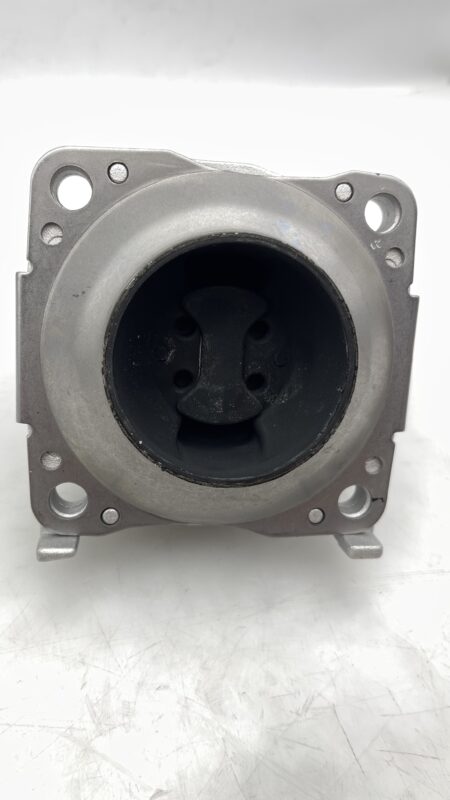
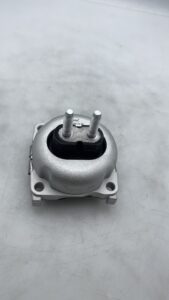
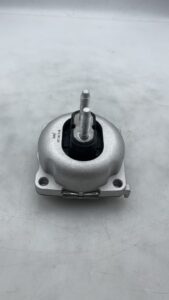
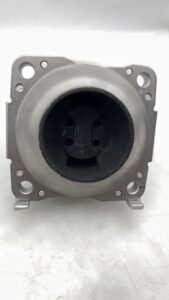
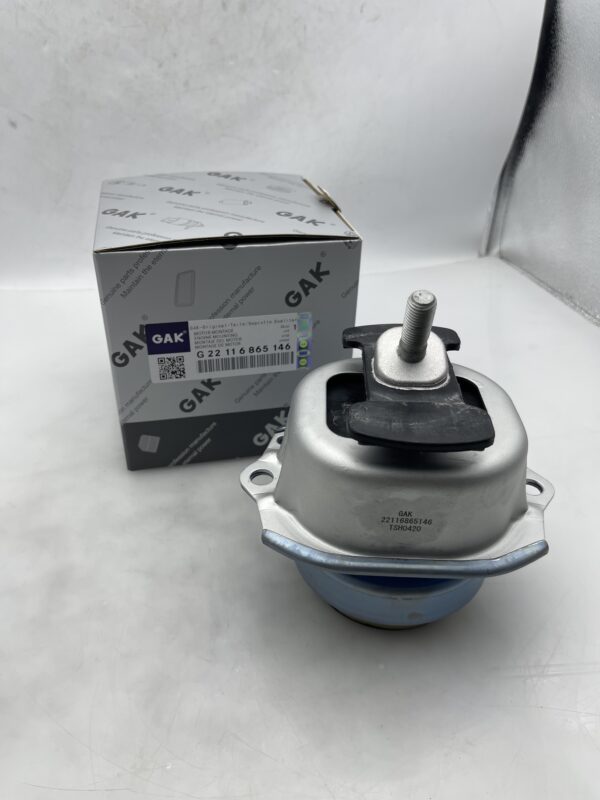
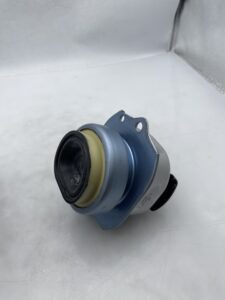
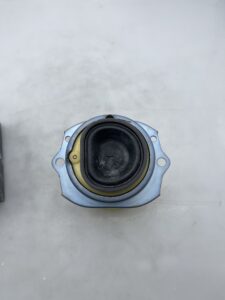
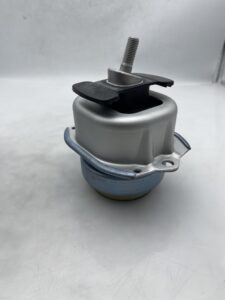
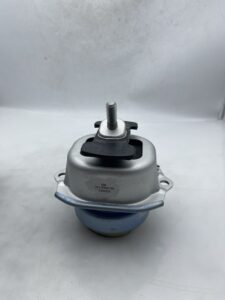
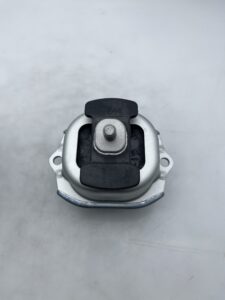
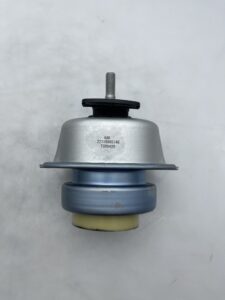
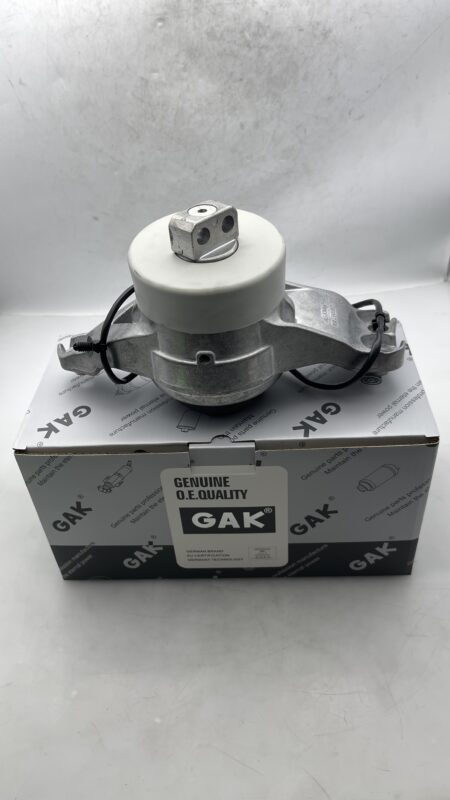

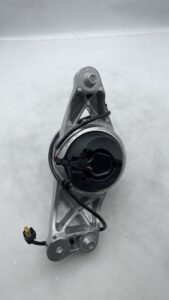
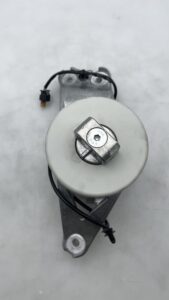
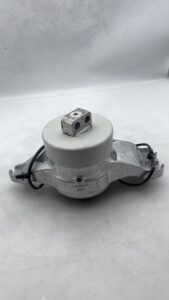
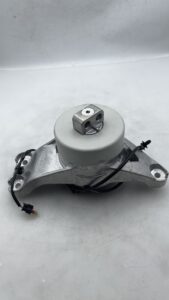
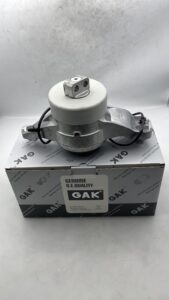

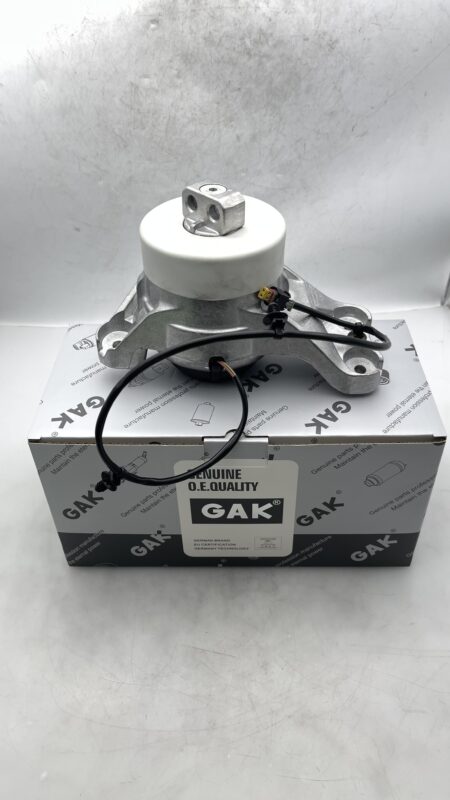
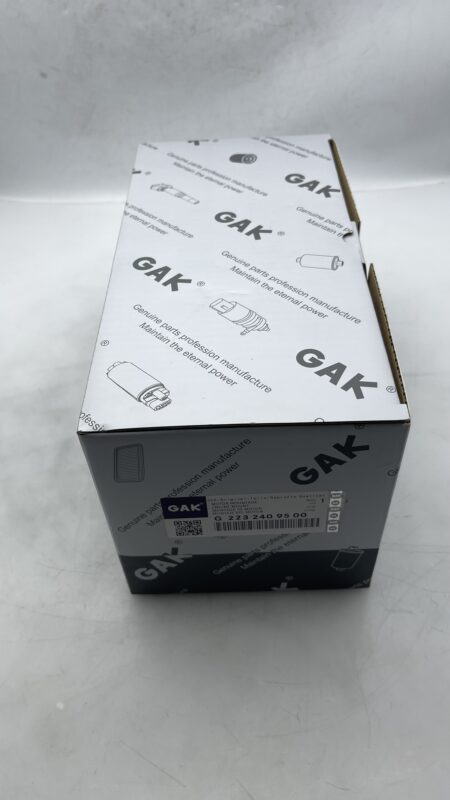

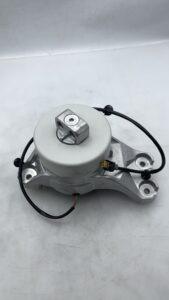
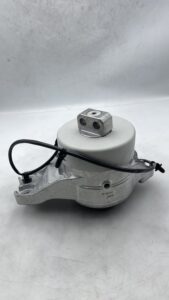
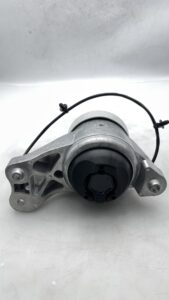
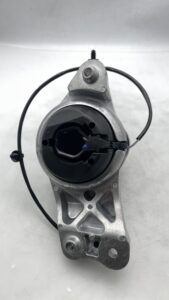
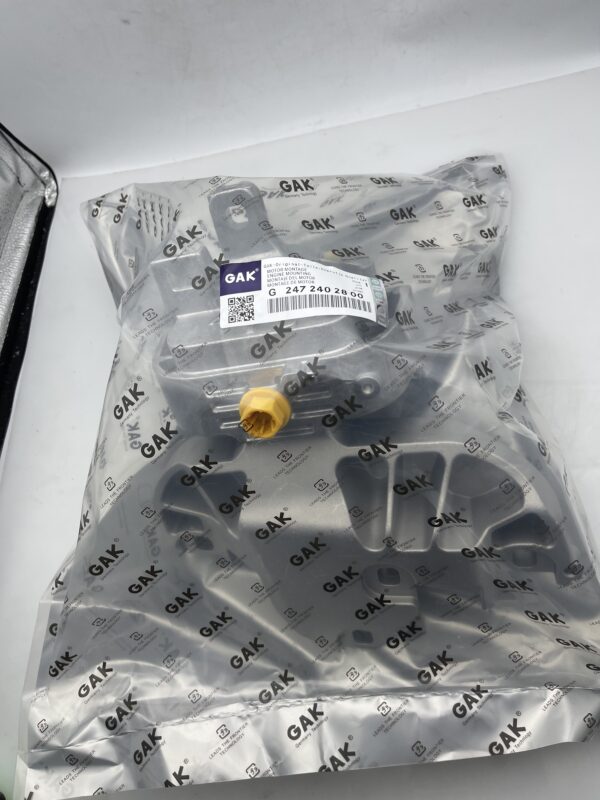
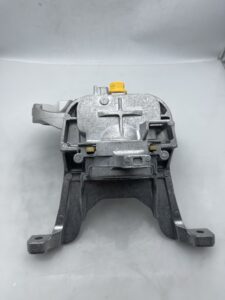
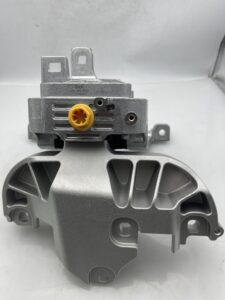
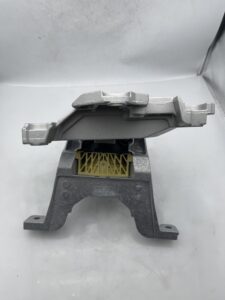
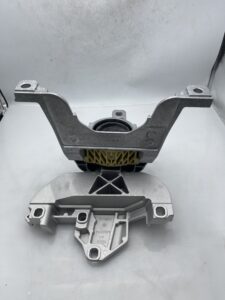
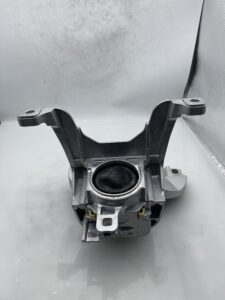
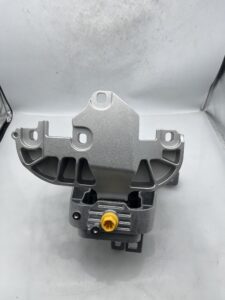
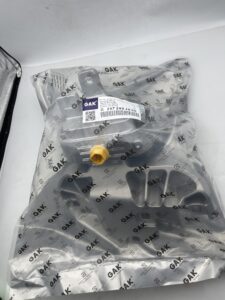
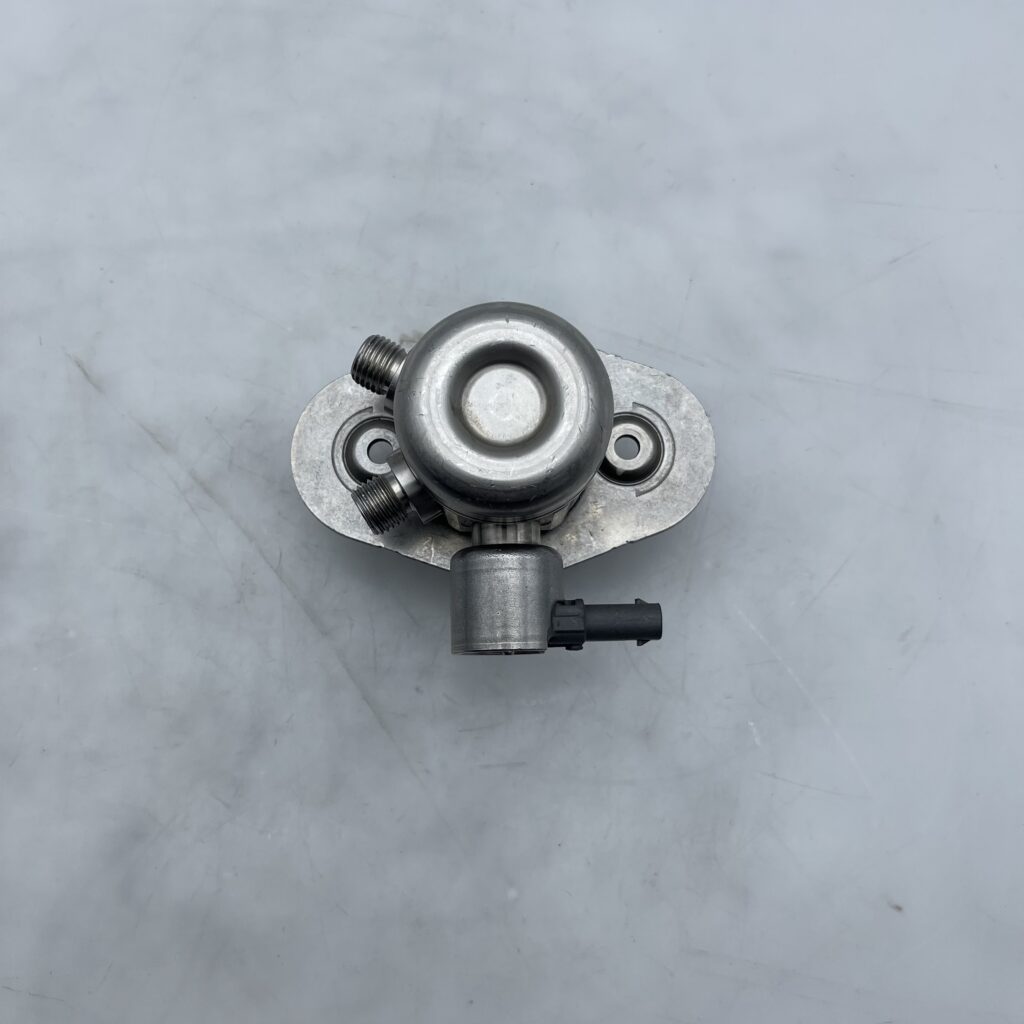
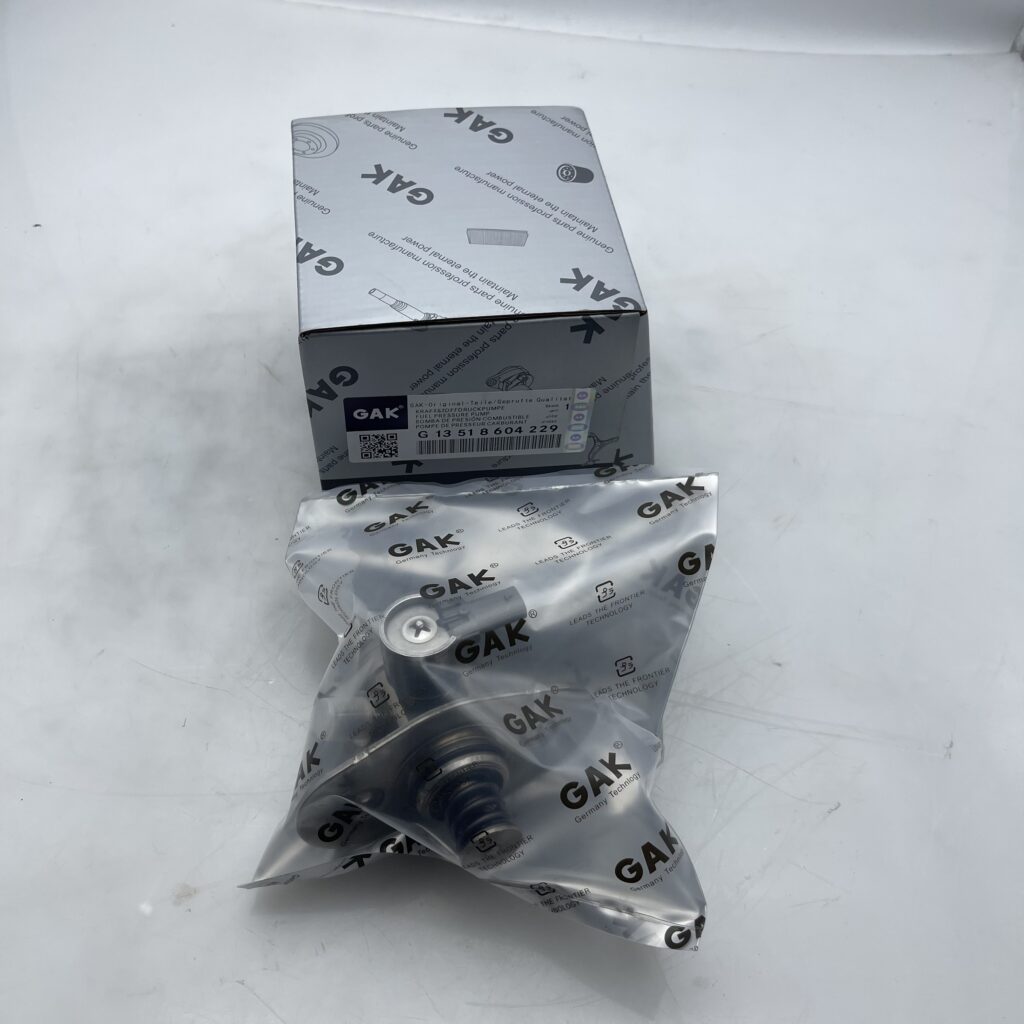
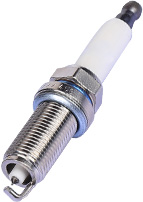
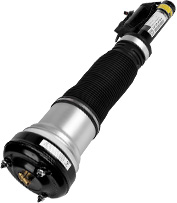
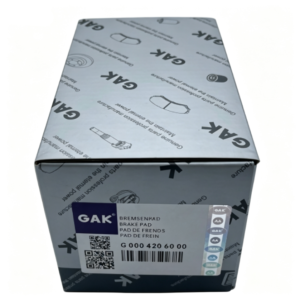
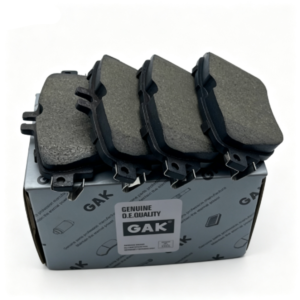
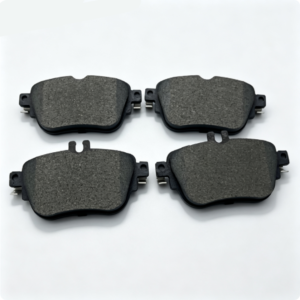
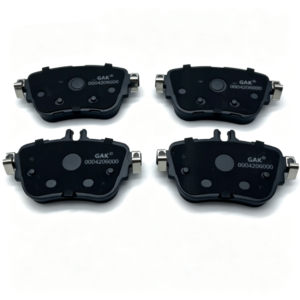
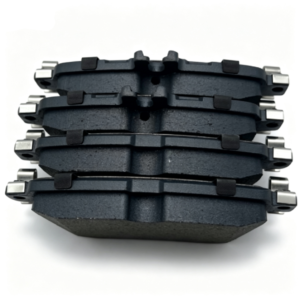
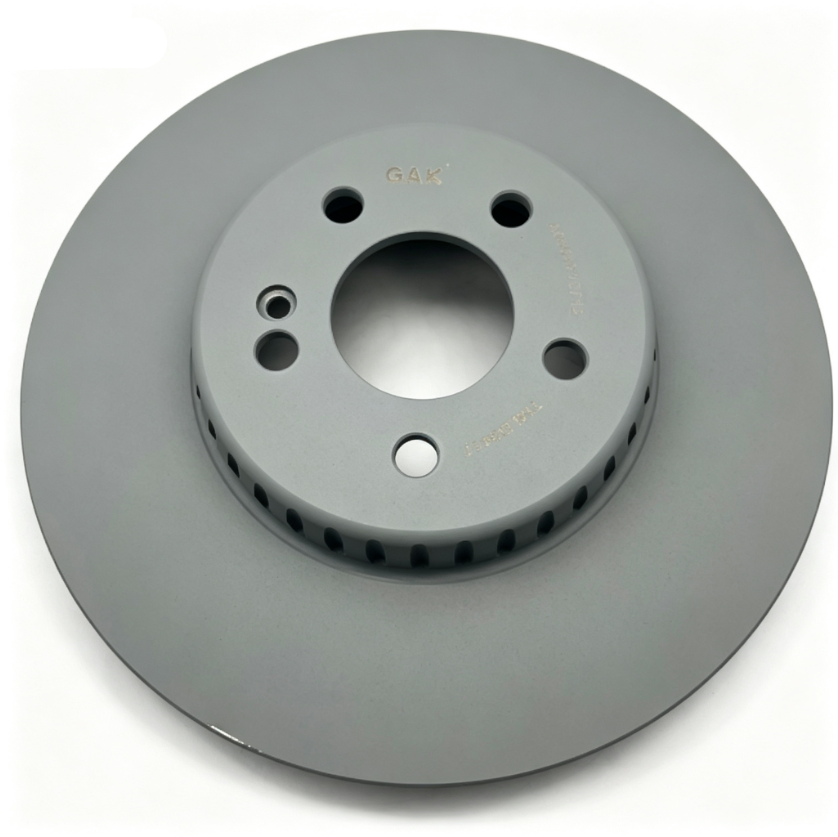
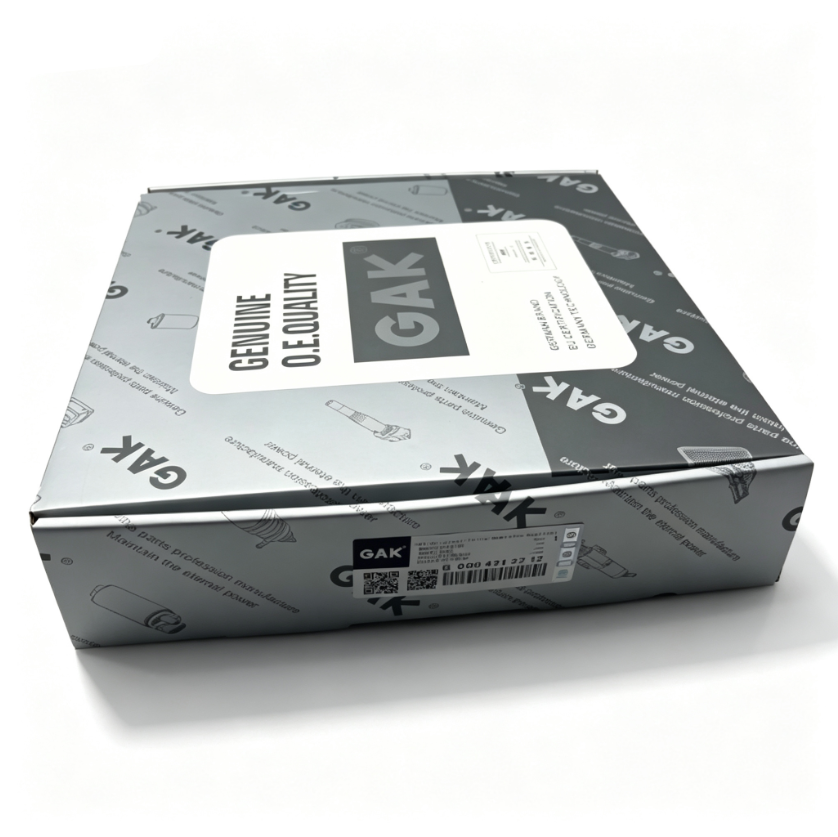
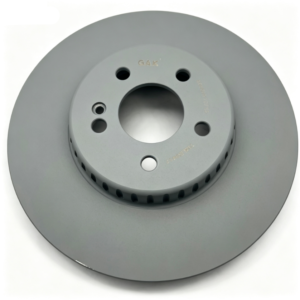
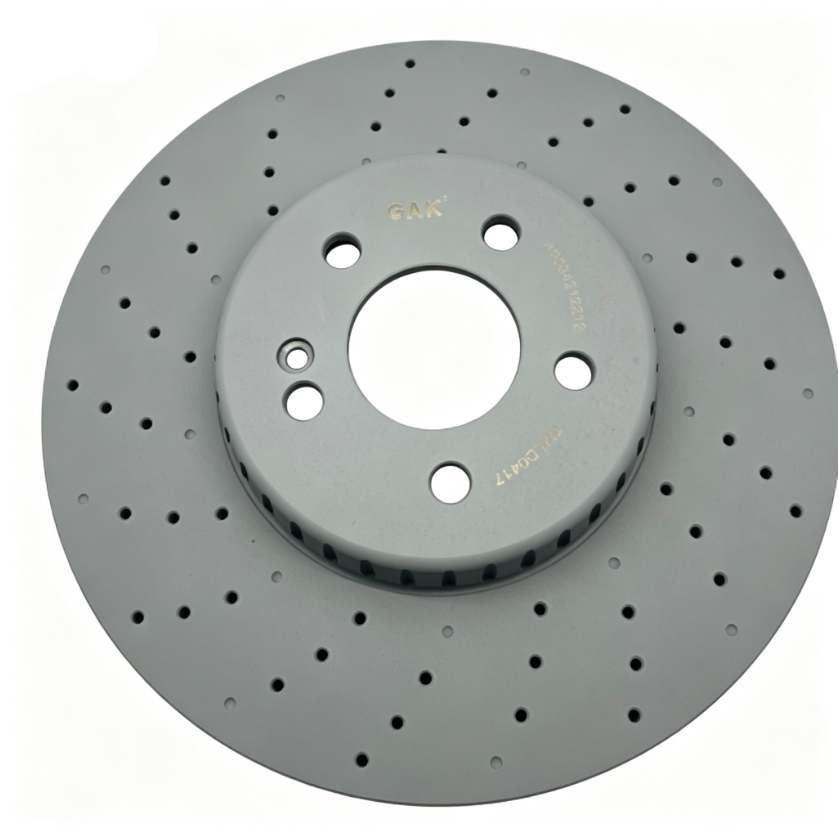
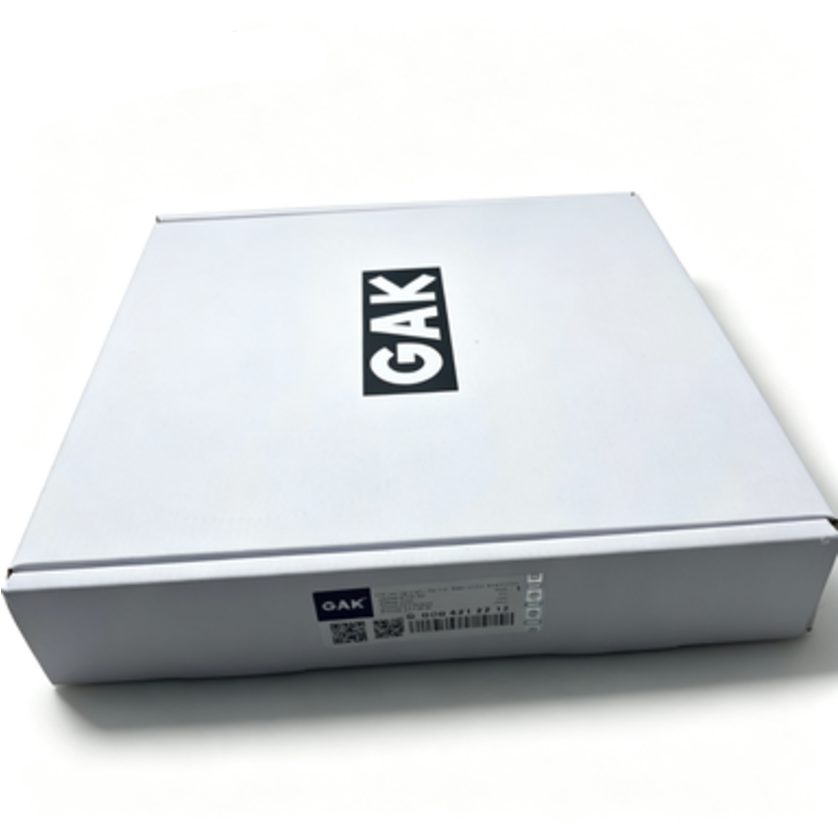
Auto Spare Part OE 13518604229 Car Replacement Accessory for Vehicle Repair
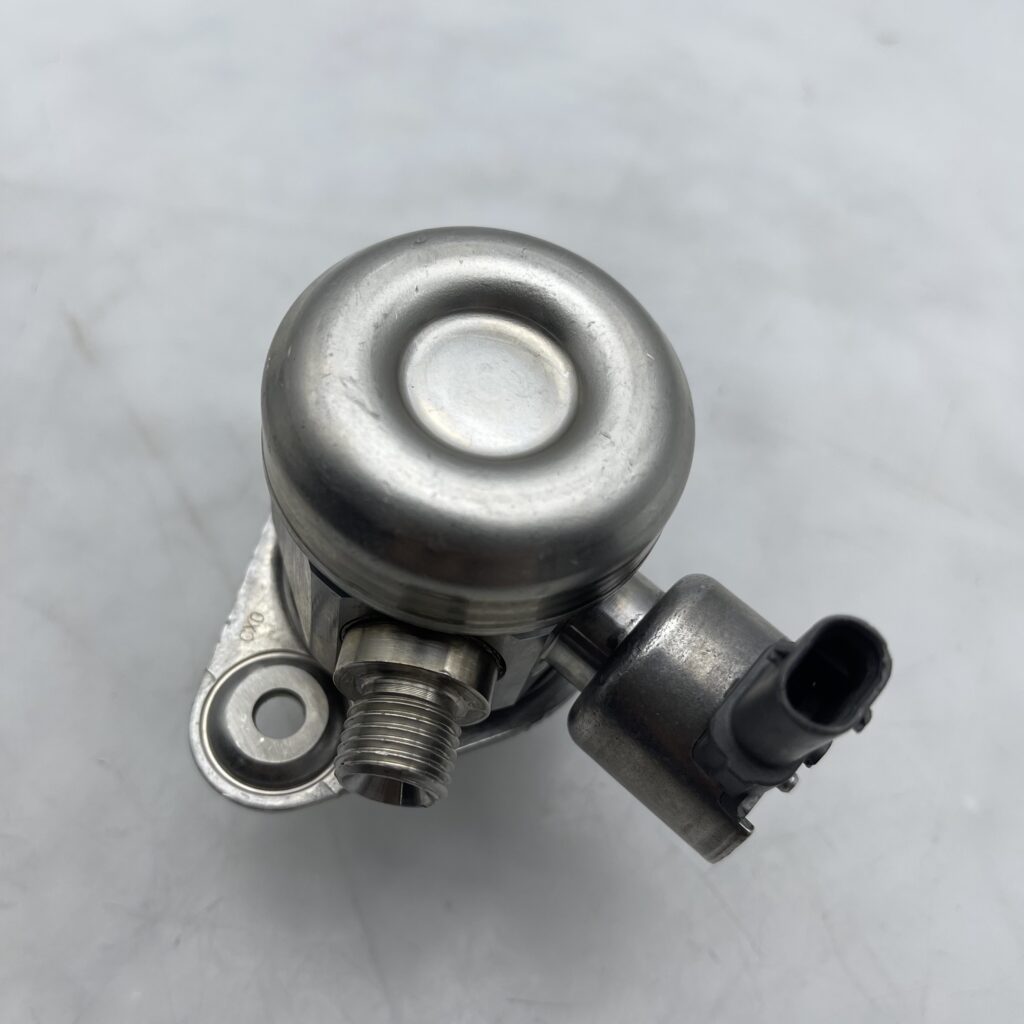
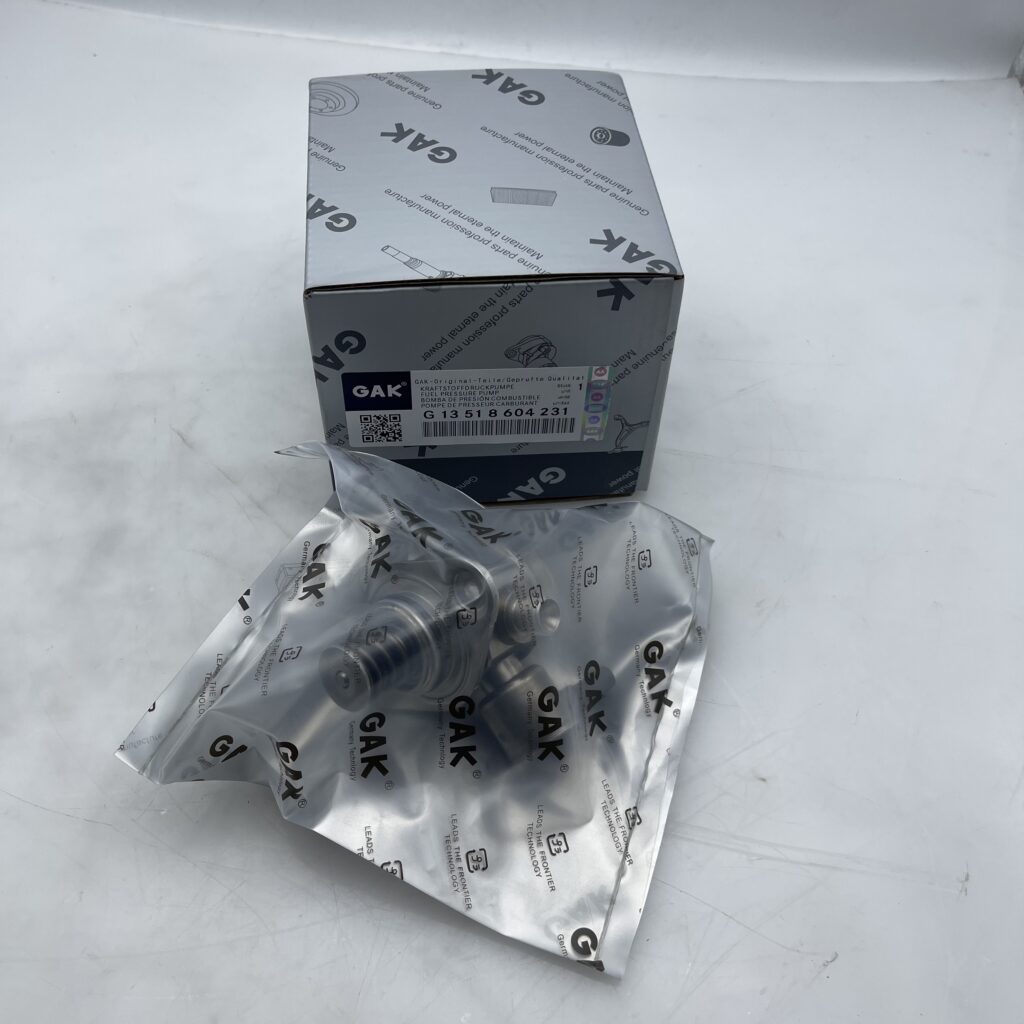
Auto Spare Part OE 13518604231, Direct Replacement Car Accessory


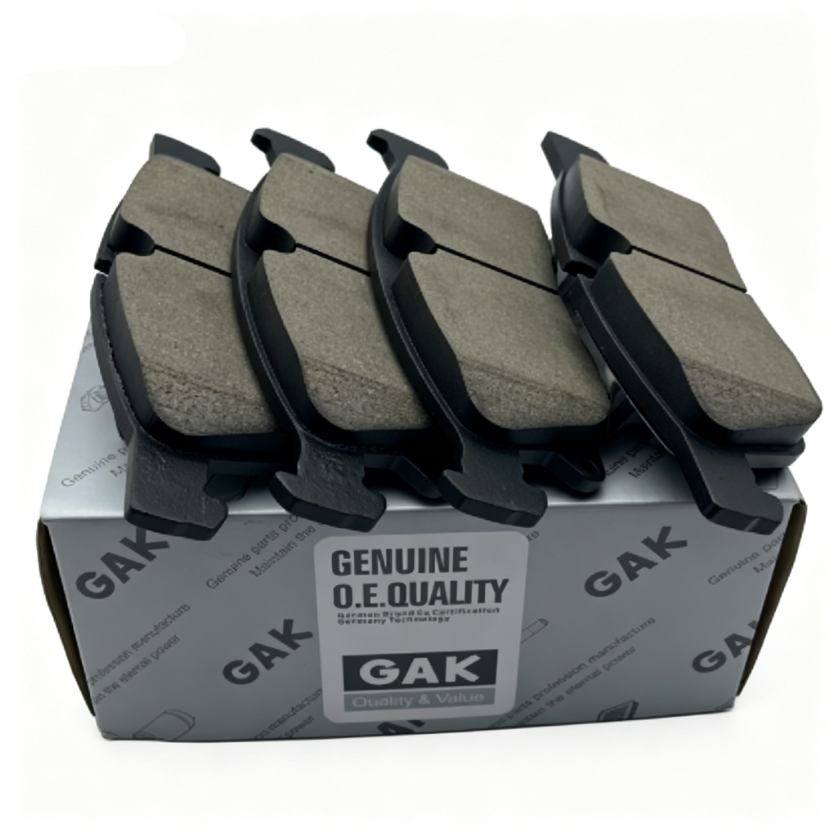






GAK PARTS LIMITED
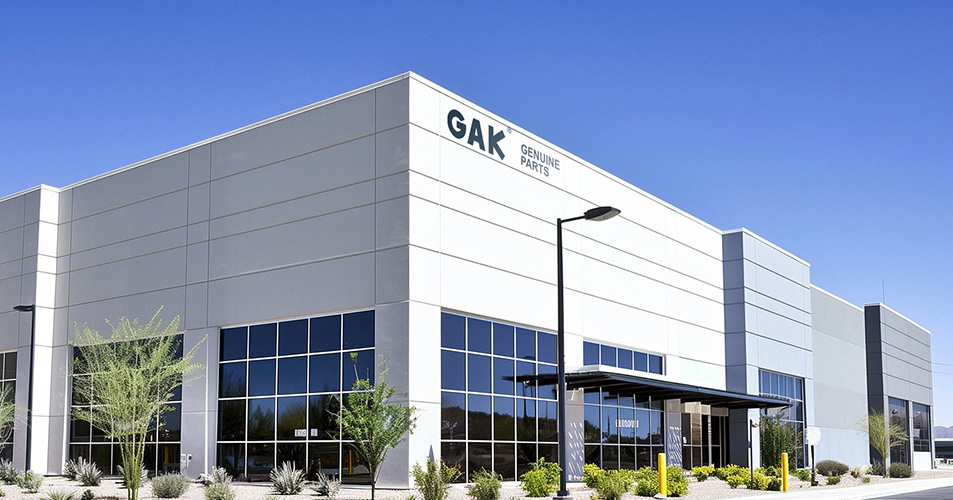
Since its establishment in 1980, GAK has been consistently dedicated to the development, production, and quality management system construction of automotive components. After decades of growth, our products have earned widespread trust from global customers in the German automotive aftermarket parts sector.
GAK positions itself as a one-stop solution provider, with operations covering the entire value chain—from customized design, raw material procurement, and manufacturing, to logistics, marketing, and brand management.



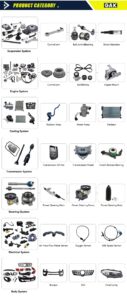
MAIN PRODUCT SERIES
46 Years of Experience
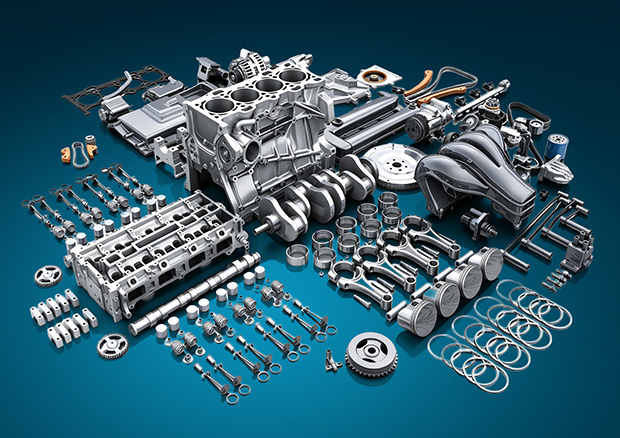
Engine system
The core components of an internal combustion engine are the engine block (frame), moving parts (pistons/crankshaft, which converts power into torque), valve train (controlling intake and exhaust), and fluid system (lubrication and cooling). Key maintenance steps: frequent fluid changes and periodic timing belt replacement.
LEARN MORE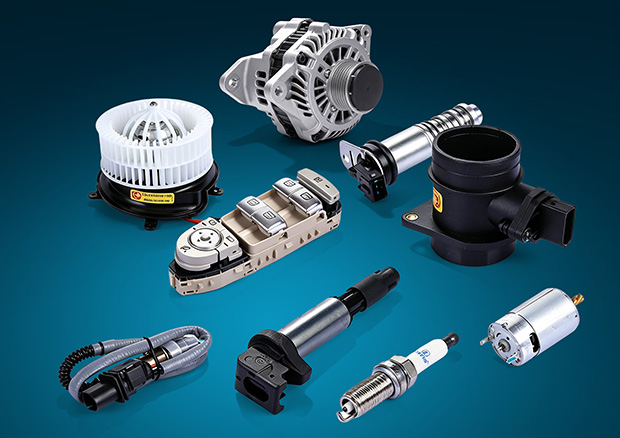
Electrical system
Vehicle electrical systems are divided into power supply (battery/generator), starting and ignition (starter motor/spark plugs), lighting and signaling (lights), comfort components (air conditioning/motor/screen), intelligent control (controller/sensor), and wiring harnesses and fuses. The core is to ensure power supply, prevent short circuits, and regularly check the battery and fuses. New energy vehicles especially need to pay attention to high-voltage insulation and collision power-off protection.
LEARN MORE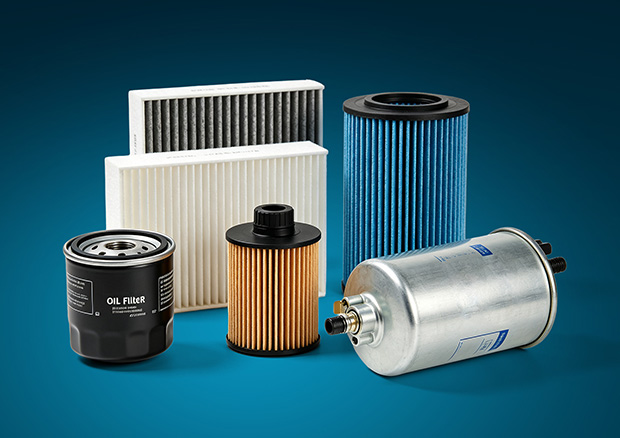
Filtration system
The filtration system consists of three core filters: air filter, oil filter (to remove metal shavings and prevent wear), and fuel filter. An additional cabin air filter is also included to maintain the air quality inside the vehicle. Maintenance rule: Replace all three filters along with the oil. For diesel vehicles, regularly drain water from the fuel-water separator; blockage can lead to reduced power or difficulty starting.
LEARN MORE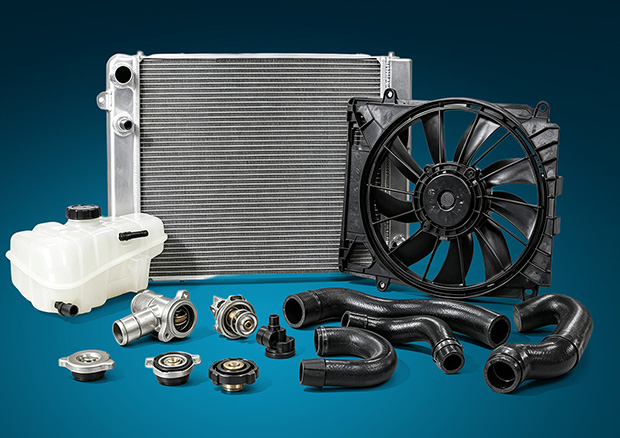
Cooling system
The core of the cooling system consists of a water pump driving the coolant circulation, a radiator and fan dissipating heat, a thermostat controlling the large and small circulation loops to maintain optimal water temperature (approximately 90°C), and an expansion tank for replenishing coolant and venting. Turbocharged vehicles also have an intercooler for cold air intake. Maintenance rules: Change the coolant regularly (usually every 2-4 years/40,000-60,000 kilometers), frequently check the water pipes for aging and leaks, and stop the vehicle immediately when the high-temperature warning light comes on; otherwise, overheating can lead to cylinder scoring or cylinder head deformation.
LEARN MORE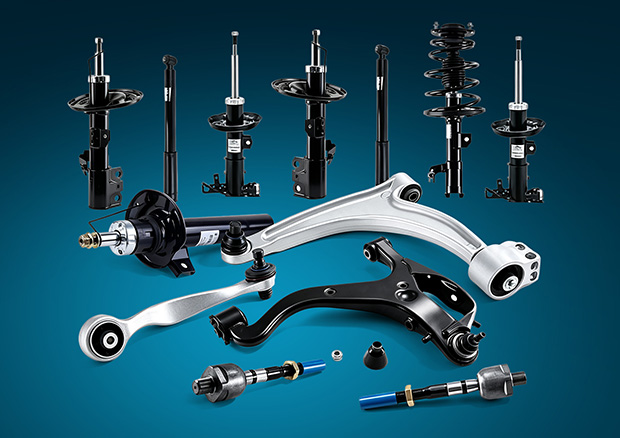
Suspension system
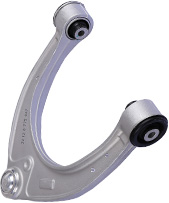
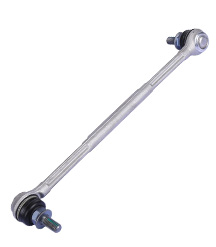
Suspension systems are divided into independent and non-independent types. The core components consist of springs, shock absorbers, control arms, and anti-roll bars. High-end vehicles are equipped with air suspension or electromagnetic suspension, which allows for adjustable stiffness and height. Key maintenance points: Shock absorber oil leaks and worn bushings are the most common problems. Promptly check for abnormal noises when going over bumps or when the vehicle body sinks. Avoid frequent raising and lowering of air suspension under harsh road conditions for extended periods.
LEARN MORE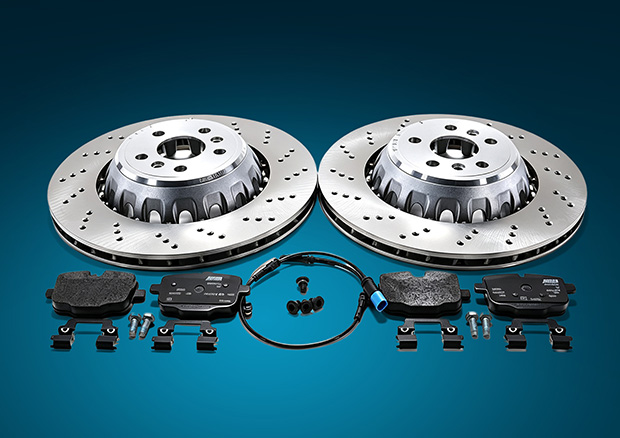
Braking system
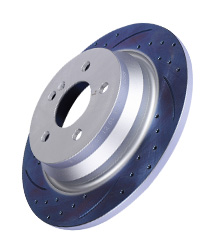
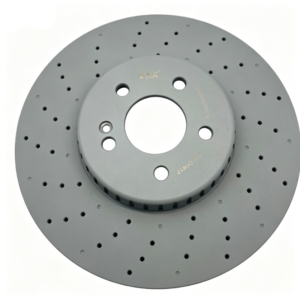
The braking system is divided into service brakes, parking brakes, auxiliary brakes, and electronic control systems. When braking, the pedal force is amplified by vacuum assistance and transmitted to the brake calipers or brake shoes through brake fluid, clamping or supporting rotating parts to generate friction and decelerate the vehicle.
LEARN MORE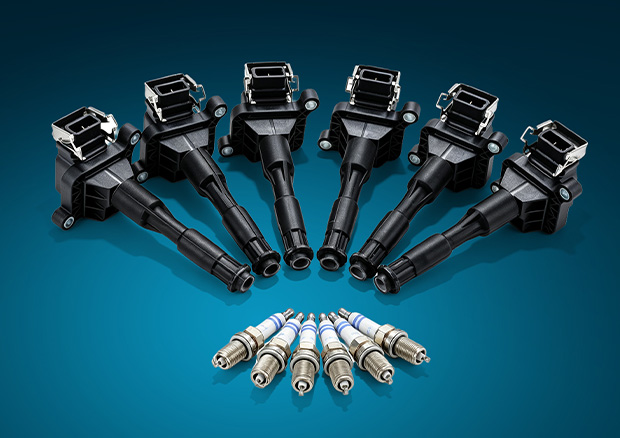
Ignition system
The ignition system is specifically designed for gasoline engines, with core components including the ECU, ignition coil, and spark plugs. Modern mainstream systems use microcomputer-controlled independent ignition, which adjusts the ignition advance angle in real time through sensors such as crankshaft position and knock detection, balancing power, fuel consumption, and preventing knocking.
LEARN MORE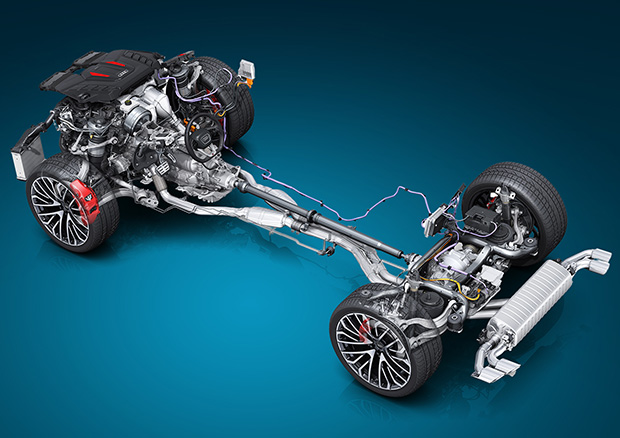
Chassis system
The chassis is the overall support platform for a car, bearing the body and receiving and transmitting power. It consists of four main systems: the drivetrain, the running gear, the steering system, and the braking system. Its core functions are support, force transmission, cushioning, and steering.
LEARN MORE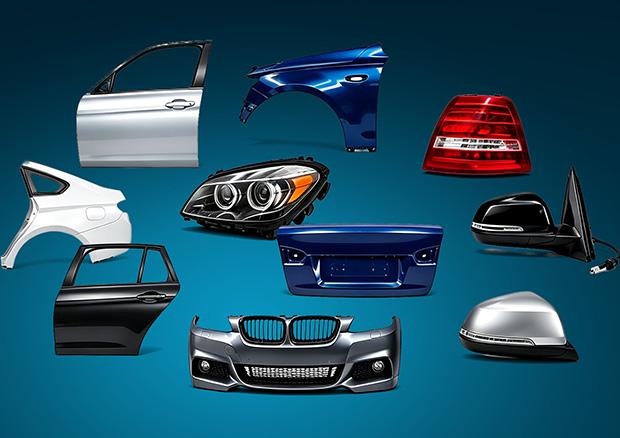
Body system
The vehicle's exterior is the outermost visual and protective assembly, primarily comprising the body-in-white, body panels, front and rear bumpers, lights, exterior mirrors, sunroof/glass, trim pieces, and paint. Its core functions are aesthetic design, airflow management, collision energy absorption, and dust and water resistance.
LEARN MOREGerman automotive parts
IN STOCK, FAST SHIPPING
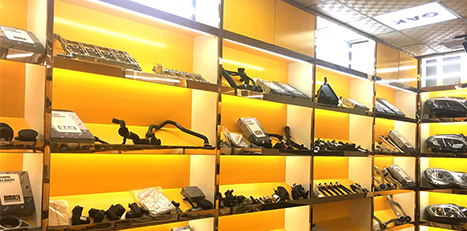
Long-term large-volume spot inventory
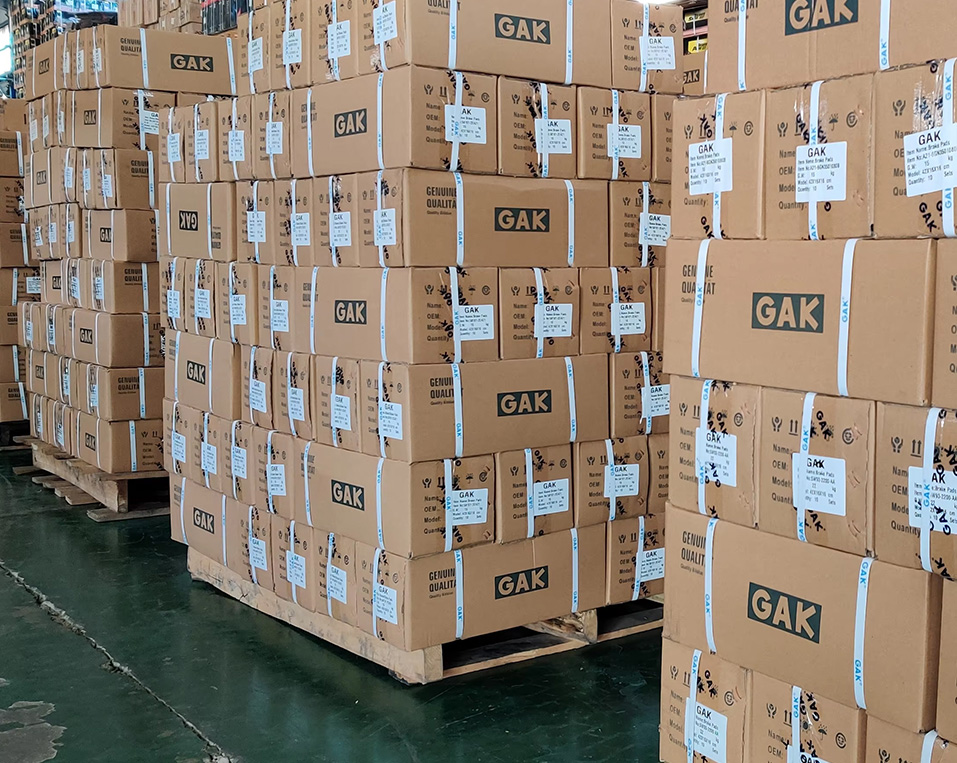
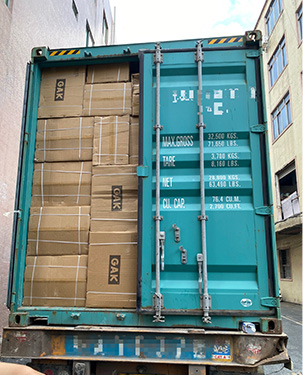
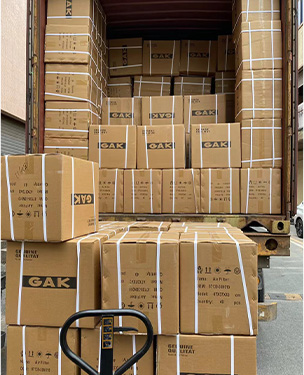

Excellent supply capabilities are crucial for you – and that's precisely where GAK excels. With 46 years of experience, a broad range of vehicle models, and a well-designed product portfolio, we fill the gaps left by other suppliers.
Whether it's a large, frequent order or a specific spare part, we ensure you have the right parts for your customers. Efficient warehousing and logistics, along with a fast delivery process, allow us to reliably, timely, and comprehensively meet the needs of every customer. With a supply rate exceeding 95%, we are a flexible and efficient partner for customers in over 60 countries worldwide.
HOT SELLING
PRODUCTS
VIEW ALL